AI-assisted publishing becomes easier to manage when the model is treated as a drafting participant rather than a release authority. A model can propose an outline, reorganize notes, or prepare a shorter version of a story. None of those activities should automatically confer permission to publish the result. The important design question is not how quickly text can be produced, but how reliably a team can decide which text is ready.
This guide proposes a human review gate for a small publication. It applies whether the draft begins in a conversation, an internal tool, or a model API. The workflow deliberately keeps source evidence, generated suggestions, editorial decisions, and public delivery separate. That separation makes it possible to benefit from assistance without turning a fluent response into an unexamined public claim.
Define the assignment before the prompt
Start with an editorial brief that would also make sense to a human contributor. Identify the reader, the question the article must answer, the material available, and the claims the publication is willing to make. A task such as “write something compelling about our product” leaves too much room for invented features and unsupported comparisons.
Specify a bounded outcome instead. For example, ask for an introduction explaining three already documented capabilities to a reader who has never used the product. Supply the relevant notes and state that missing information must be flagged rather than completed from assumption. This gives the editor a concrete basis for judging the response.
Keep the brief versioned with the draft. When an editor rejects an output, the team can then determine whether the problem came from a weak assignment, a missing source, or the model’s treatment of available evidence. Those are different problems and should not all be addressed by making the prompt longer.
Create a source packet with boundaries
Collect the material the draft is allowed to rely on. Label original notes, quotations, verified product facts, and unresolved questions clearly. A source packet is not simply a pile of copied text; it is a map of what the publication knows and what remains uncertain. Remove private material that is unnecessary for the assignment.
Treat instructions inside source material as source content, not as authority over the workflow. A quoted email or imported document may contain requests that have nothing to do with the editorial task. The application and editor should preserve the distinction between the approved assignment and arbitrary text being analyzed.
Ask for a claim ledger when the subject is fact-heavy. The ledger can associate major proposed claims with the supplied material that supports them. It is an aid to review, not independent proof. The reviewer still needs to inspect the cited material and decide whether the wording fairly represents it.
Constrain structure without confusing it with truth
A predictable output shape makes automated checks more useful. You might ask for a title, excerpt, section list, body, and unresolved questions. Keep application-owned fields, such as publication permission and destination identifiers, outside the model’s authority. A draft should not be able to approve itself by returning a convenient status value.
OpenAI’s Structured Outputs documentation explains schema-constrained model output and the need to handle cases such as refusals. A supported schema can make the response shape more predictable. It does not establish that the prose is accurate or appropriate for publication. Validate the structure and review the meaning as different activities.
The JSON content contract guide describes an application-owned record that can receive an accepted draft. Keeping that contract independent from a provider-specific response helps your editorial workflow survive changes to the model layer.
Give automatic checks a limited role
Automatic checks are useful for objective requirements. A validator can detect a missing title, an absent image description field, an unexpected body format, or a disallowed destination value. It can check that required sections exist and that supplied links have the intended structure. These checks should return specific errors that an editor or developer can act on.
Avoid allowing a numerical quality score to replace editorial judgment. A draft can be well structured and still omit the most important qualification. Conversely, an unusual but accurate explanation may need a human assessment rather than being discarded because it differs from a preferred pattern. Use automatic checks to make review more focused, not to make responsibility disappear.
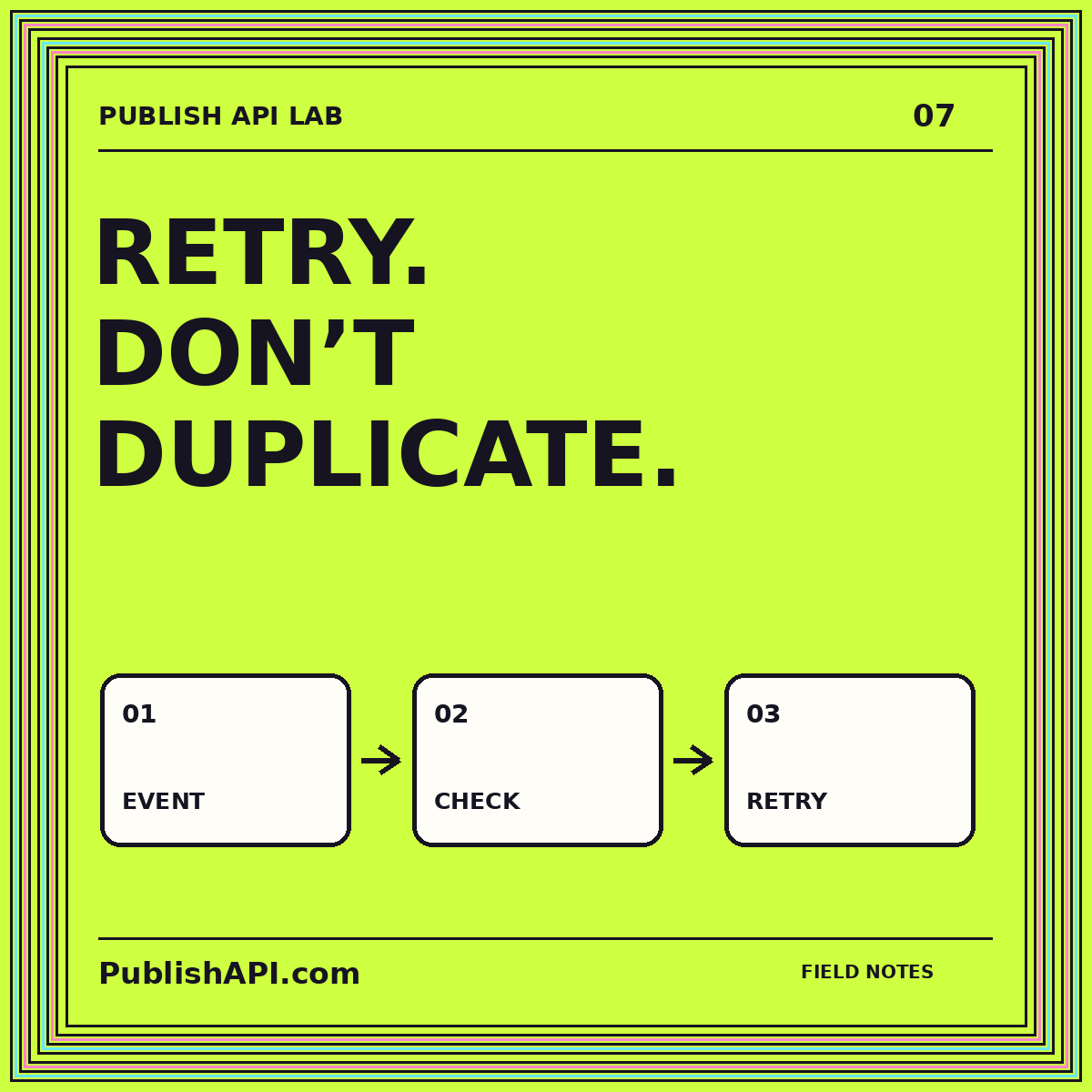
Keep failed drafts available with their error reports. Silently modifying a record until it passes can conceal the original problem. Some repairs, such as normalizing whitespace, are harmless; others change meaning. Document which transformations are mechanical and which require renewed review.
Review in two deliberate passes
In the first pass, inspect substance. Check the central claim, named entities, numbers, quotations, and any statement about a product capability. Look for missing conditions and overconfident language. Compare the draft with the source packet rather than asking whether the prose merely sounds plausible. Mark unresolved claims instead of smoothing them into vaguer but still unsupported wording.
In the second pass, inspect communication. Does the introduction answer the reader’s question? Are the headings useful? Does the article repeat itself? Are terms defined at the right moment? Review the entire argument, not just individual sentences. A sequence of individually reasonable paragraphs can still lead the reader to an unjustified conclusion.
Assign ownership to the review decision. The release record should identify the approved revision and the responsible editor or role within your organization. This is an operational record, not a marketing credential. The point is to make later corrections accountable and understandable.
Bind approval to the actual release
After review, store the accepted content as an owned draft. Do not publish directly from a transient model response or the latest message in a conversation. The approved record should remain stable while the destination adapter prepares the publication. Any meaningful edit after approval should create a new revision with an appropriate review requirement.
Preview the destination rendering before release. A careful review of plain text can miss broken link formatting, hidden image captions, or a template that truncates an important qualification. The editor should see the version readers will receive, especially when adapting one source for several channels.
Keep the final publish operation outside the drafting tool’s automatic path. The AI Publish API route frames this as a boundary between assistance and authority. Your project can automate transport after approval without allowing the model to decide when approval has occurred.
Evaluate the workflow, not only the model
Choose a small set of representative assignments: a straightforward explainer, a source packet with conflicting notes, a short announcement, and a draft with deliberately missing evidence. Run the same review process on each. Record where editors spend time and which failures escape the automatic checks.
When you change a prompt or model configuration, compare those assignments again. A change that produces more attractive prose but increases factual cleanup may be a poor trade. Evaluate whether the accepted draft improves and whether the review process remains understandable. Avoid claiming a productivity gain without measuring the actual work your team performs.
Include a refusal or incomplete response in the test set. The interface should make it clear that no approved content was produced and that nothing has been published. A graceful stop is a legitimate result when the assignment cannot be completed within the approved boundaries.
Try a deliberately incomplete source packet
For a small evaluation, give the drafting step an approved product description with one important detail deliberately omitted: the release date. Ask for an announcement, an excerpt, and unresolved questions. This is a test assignment, not a request to publish.
A useful candidate leaves the date unresolved or explicitly requests it. A polished announcement with an invented date fails the factual review, even when every required field is present. Have the reviewer record the unsupported sentence and return the draft for correction. Do not repair it by substituting a guessed month.
Repeat the assignment after supplying the missing evidence. Compare the two drafts, confirm that the approved revision contains the supported date, and check that the earlier failed candidate cannot reach the release step. The test examines your entire approval boundary rather than treating fluent wording as success.
Conclusion: automate assistance, retain authority
A useful human review gate is more than an approval button added to the end of a pipeline. It includes a bounded assignment, a traceable source packet, structural validation, substantive review, and approval attached to an exact revision. Build those pieces before optimizing generation volume. Then use the prompt library guide to improve the assignments your editors review, while keeping public release a deliberate, application-controlled decision.